
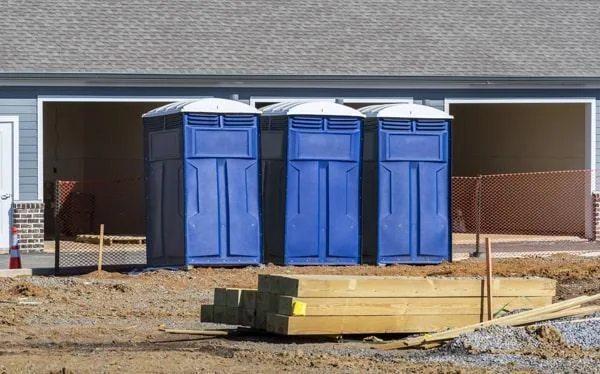
Describe the work pattern before the unit count
List the crews and subcontractors likely to overlap, shifts, separate work areas and the permanent facilities workers may use. Mention future phases that could change occupancy. This gives the supplier a better basis for discussion than a building size or a single maximum headcount.
Specify toilet and washing needs separately. Standard cabins, accessible models and other facilities have different purposes; a construction label does not confirm the fittings, dimensions or suitability of a particular unit. The site’s responsible team retains its own workplace assessment.
Separate included service from site responsibilities
Ask the proposal to name the cleaning and tank-servicing arrangement, consumables, transport and rental period. If the project expects higher use at a particular stage, discuss how an additional visit or equipment change would be requested and priced.
Choose someone to check usability between provider visits and to report problems. The supplier’s scheduled service does not replace everyday site observation, so confirm any extra cleaning or attendant requirement separately.
Put placement and change control into the brief
Identify the receiving contact, correct entrance and proposed standing area. Review pedestrian access as well as the vehicle approach, including the effect of deliveries, security arrangements and work boundaries.
Ask how extensions, changes in crew size and relocation requests are handled. Confirm the final occupied period and collection arrangements before closing the site. A project finishing early or late does not automatically change the accepted order.
Questions before you book
Can I use the first crew count for every phase?
Flag expected changes so the equipment and service arrangement can be reviewed as the project develops.
What belongs in the quote besides the cabin?
Check transport, hire period, cleaning, tank servicing, supplies, collection and the process for changes against the actual site need.